Control: Digitality as Cultural Logic. Seb Franklin. MIT Press, 2015. pp. 240. $37. ISBN: 978-0-2620-2953-7 When reading the third chapter of Seb Franklin’s Control: Digitality as Cultural Logic, I was reminded of a recent workshop I attended on “Literature and Legal Studies” presented by Todd Butler: the chair of my English Department at Washington State University. Butler […]
Author: Roger Whitson
Session Description: While several panels in the past few years at the MLA have focused on the intersections of media archaeology, literature, and the digital humanities; relatively few of these panels have explored the impact of media time on the construction of our histories. Wolfgang Ernst has described media as “time machines.” For him, cultural […]
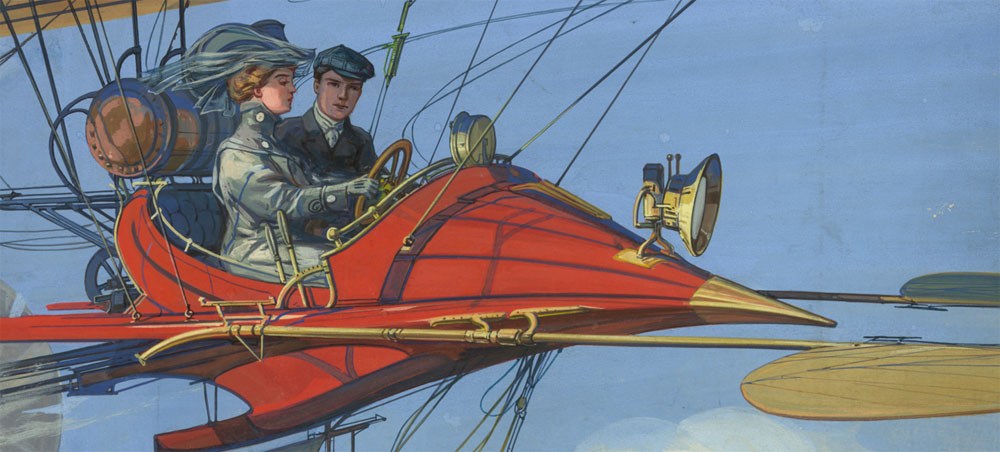
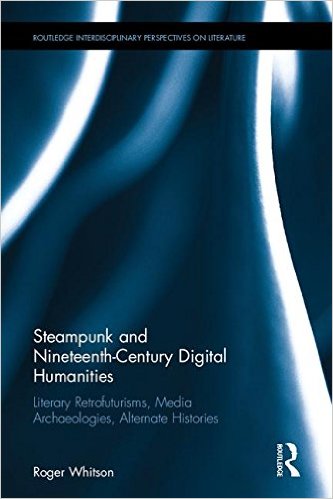
[Slide 1] The title of my talk is slightly different than the one on the program, “Steampunk in the Anthropocene: Retrofuturist Design Fiction and the Digital Humanities,” but it emphasizes the multiple points of intervention that I’m pursuing as part of my recent book on steampunk. [Slide 2] As the other presenters have mentioned, […]
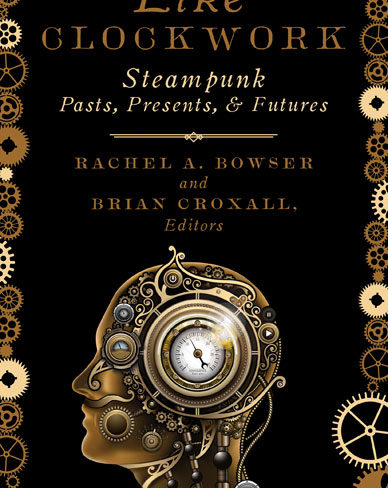
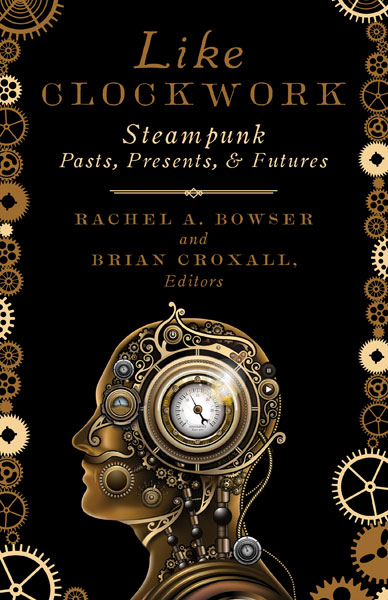
“Not everything that goes around comes back around you know” —Queens of the Stone Age, “…Like Clockwork” I received my copy of Like Clockwork: Steampunk Pasts, Presents, & Futures on Saturday in the middle of a weekend when I was quite visibly struggling with anxiety. Most of my days have been riding on top of an undercurrent of […]
Candidate Statement Given the many controversies surrounding the digital humanities and its relationship with other fields, we need to stop focusing on William Pannapacker’s well-intentioned definition of DH as a “big tent” and start to emphasize the many actual disciplinary and institutional localities where the digital humanities emerges. We need to stop being prescriptive (“who’s […]
The past week and a half have been, unsurprisingly, a roller-coaster of anxiety for me. I can’t imagine how my friends feel who are comparatively less privileged than me and more vulnerable. I woke up last night in a panic attack that wouldn’t subside until I deactivated my Facebook account (then reactivated it later). So […]
Featured Image: Tvrtko Buric, Post human What difference does it make if we read on ebooks, stone tablets, mass market paperbacks, hyperlinks, code, or illuminated books? Do we change along with our writing tools? This course is an advanced introduction to issues explored in the fields of book history, media studies, and media archaeology. We start […]
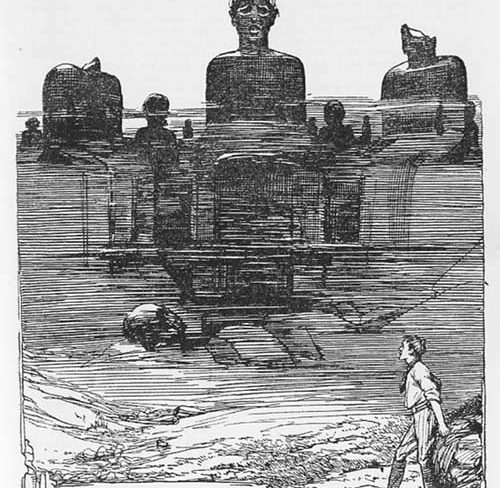
Featured Image: Illustration from Samuel Butler’s Erewhon by Ruth Cobb This seminar explores the intersection between the development of science fiction in nineteenth-century British fiction and growing interest in natural and scientific phenomena during the century. We will focus specifically on three of the most important scientific theories of the period: James Hutton and Charles Lyell’s development […]
Jennifer Howard recently wrote an article in The Chronicle of Higher Education on “Building a Better University Press.” She mentioned Mark Sample’s recent challenge for a group of scholars to create their own university press. She also quoted from my THATCamp proposal, which was inspired by the challenge: Inspired in part by a Twitter discussion […]
Georgia Tech’s college newspaper, Technique, ran an article about the Atlanta Comics Symposium for their April 15th issue. Here’s a little quote from me, on how to teach comics in a writing course: “You’re writing all the time, but then when you present someone with the final comic book, the writing is actually embedded in […]