Chair: Jay Clayton (Vanderbilt)
- Rachel Bowser (Georgia Gwinnett) and Brian Croxall (Emory), “Mobility, Leisure, and Annihilation in Steampunk Transport Narratives”
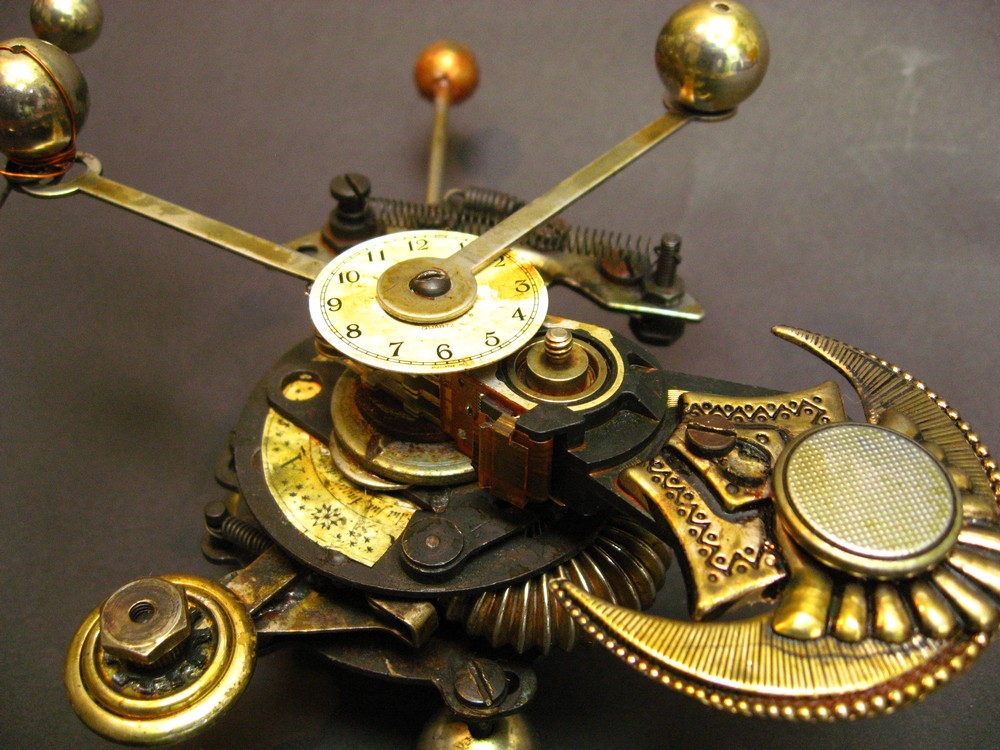
- Kathryn Crowther (Georgia Perimeter), “From Steam Arms to Brass Goggles: Steampunk, Prostheses, and Disability.”
- Lisa Hager (Wisconsin-Waukesha), “An Alternate History of Sexuality: Victorian Gender in Scott Westerfield’s Leviathan trilogy.”
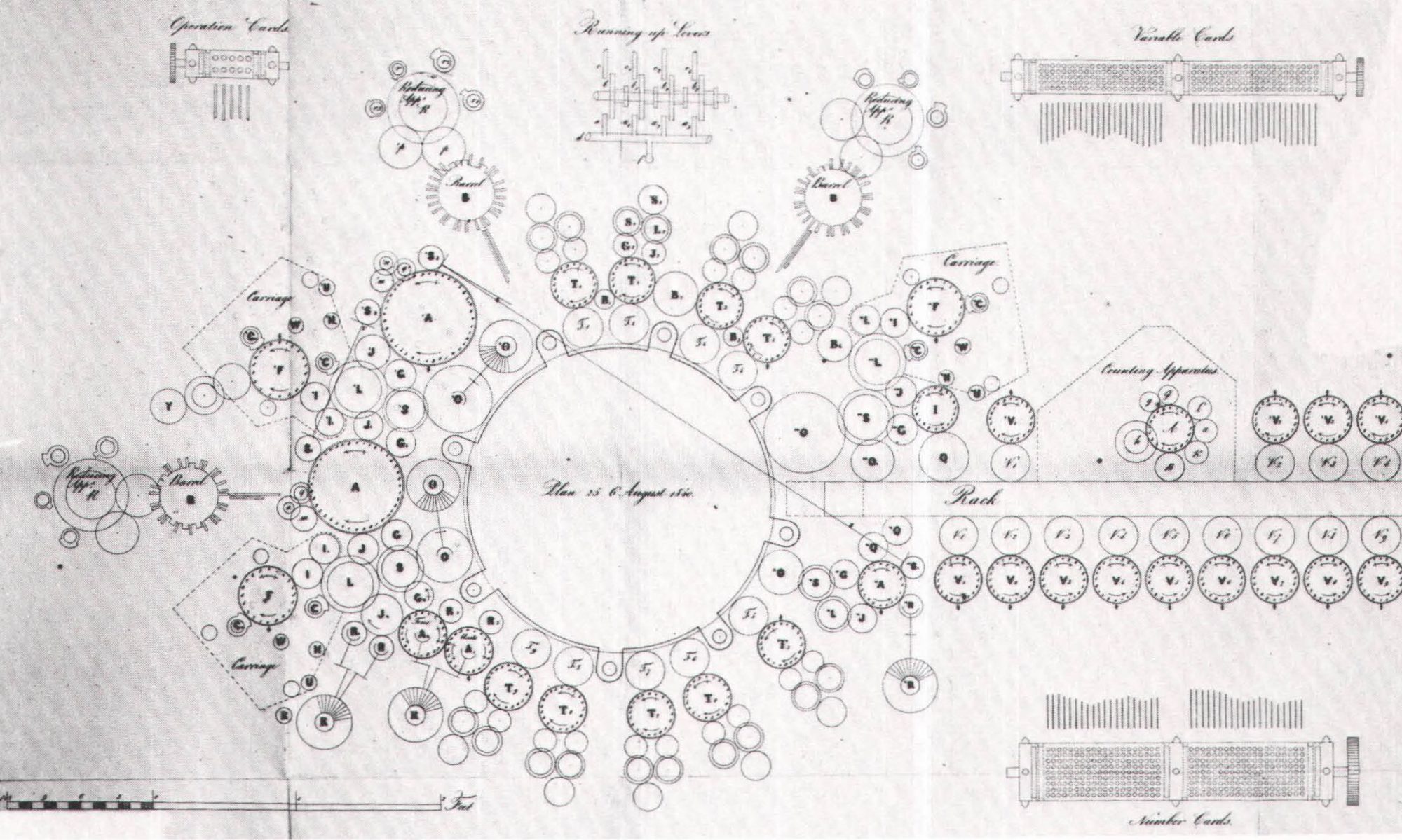
- Roger Whitson (Washington State), “Victorian Design Fiction: Gibson and Sterling’s The Difference Engine as Nineteenth-Century Digital Humanities.”
In Technics and Time, Bernard Steigler laments the inability to of modernity to “spontaneously distinguish the long-term processes of transformation from spectacular but fleeting technical innovations” (24). One example of this inability comes in the discourse surrounding the digital humanities. Are critiques of the digital humanities what Alan Liu calls a “shadow-play” obscuring very real anxieties involving the future of humanistic inquiry, or do experiments with technology represent little than what Ian Bogost has called “technological solutionism,” or the misguided use of flashy technology to solve social problems? This panel examines steampunk in relation to nineteenth-century literature and history in order to explore a third option. Technology helps to orchestrate our experience of time, and the anachronistic experiments in steampunk construct variant histories in order to produce alternatives to the social and technological present.
The presentations in this panel approach the issue from various points of view. Rachel Bowser and Brian Croxall revisit one of the most traumatic temporal changes of the nineteenth-century — the annihilation of space and time caused by the invention of locomotive travel networks — in order to theorize temporality in steampunk novels. Kathryn Crowther investigates the use of steampunk prosthetics and assistive technologies in fan cosplay to explore the social construction of disability in the Victorian period and its repetition in the potentially subversive culture of steampunk. Lisa Hager turns to the novels of Scott Westerfield, whose Leviathan trilogy appropriates the relative instability of Victorian gender identity and genderqueerness in order to destabilize YA fiction’s heteronormative present. Finally, Roger Whitson surveys the enthusiasm of engineers for constructing replicas of Charles Babbage and Ada Lovelace’s difference engine to theorize a digital humanities practice rooted in the speculative nineteenth century.